

45% of shoppers who start Shopify checkout never finish. Here are the specific fixes that cut drop-off and recover lost revenue at the last step.


Guilhem Teyssier
Founder & CEO
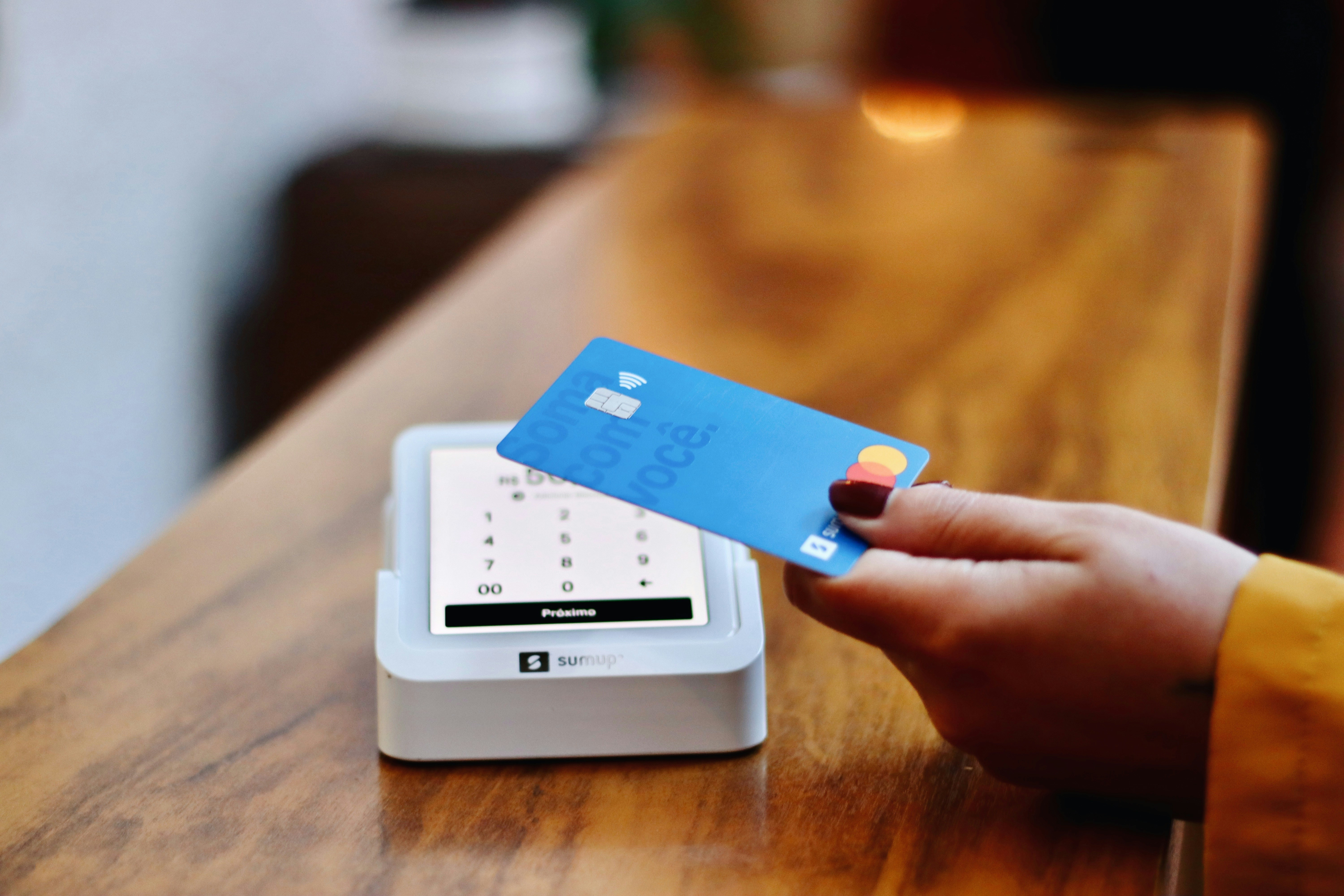
45% of Shopify shoppers who start checkout never finish it. Not because they changed their mind. Because your checkout got in the way.
That's the most expensive problem in ecommerce. You already paid for the traffic. You already convinced them to add something to their cart. Then the checkout page lost them. Every fix in this guide addresses a structural cause, not a symptom.
Where the drop-off actually happens
Most merchants focus on traffic and product pages. That's a mistake.
The checkout step concentrates the highest share of fixable drop-off in your entire funnel. The average Shopify checkout conversion rate sits at 45-55%. Roughly half of everyone who clicks "checkout" leaves without buying. Mobile is worse: checkout abandonment on phones runs 10-15 points higher than desktop. You're likely losing more than you think.
The good news: most of the causes are structural. Not about price. Not about your product. About friction you put between your customer and the buy button.
If you've already worked on reducing cart abandonment upstream, checkout optimization is the logical next step. It's where the money is.
The real reasons shoppers abandon at checkout
Unexpected costs account for 48% of checkout abandonment. That's the single largest cause, and it's completely avoidable.
When someone reaches your checkout and sees shipping added for the first time, they feel deceived. It doesn't matter that the cost is fair. The surprise is the problem. Show shipping costs before checkout. Every time, without exception.
The other major causes, ranked by frequency:
Forced account creation. Guest checkout removes this barrier entirely.
Too many form fields. Shoppers filling out 12 fields bail. Eight is better. Five is better still.
Checkout that looks visually different from your store. That mismatch kills trust fast.
No payment method the customer prefers. Missing Apple Pay or PayPal costs real sales.
Each one of these is fixable without a developer. Most take under 30 minutes in your Shopify admin.
Fix the form before anything else
Most merchants optimize the wrong thing first.
They add trust badges and loyalty points when the core problem is a 14-field checkout form. Remove every field that isn't required to ship or charge. Company name: optional for most stores, hide it. Address line 2: put it behind a toggle. Phone number: only keep it if you actually send SMS order updates.
Shopify's one-page checkout converts 21.8% better than the legacy three-step layout. If you're on any paid Shopify plan, it's now the default. Don't let a third-party app override it with a multi-page flow.
One more thing: auto-fill must work. If your form fights browser autofill on mobile, customers close the tab. Test this on an actual phone before anything else. It costs nothing. It catches problems that desktop testing completely misses.
Trust signals that move the needle at checkout
Trust problems cause 25% of checkout drop-offs. That's a quarter of your abandonment solved by design, not discounts.
The signals that actually work:
Payment icons (Visa, Mastercard, PayPal, Apple Pay) visible in the checkout footer, not just on the product page.
A brief, readable return policy near the CTA. Not a full wall of text. "Free returns within 30 days" as a single line is enough.
Your logo and brand colors in checkout. Shopify's checkout editor lets you customize this without code. Use it. If checkout looks like a generic Shopify template, some customers will think they left your site.
Don't add five trust elements at once. Pick two. Run for two weeks. Measure checkout conversion rate. Then iterate.
"Baymard Institute estimates $260 billion in lost ecommerce revenue is recoverable through better checkout design. Most stores leave a significant share of that on the table with changes that take under an hour to implement."
Mobile checkout is a separate problem
Mobile drives 72% of ecommerce traffic. It converts at roughly half the rate of desktop.
Those two facts together mean most stores have a mobile checkout crisis they aren't treating seriously. The fix isn't just "make it responsive." Mobile checkout needs specific treatment. Enable Apple Pay and Google Pay. One-tap checkout eliminates the entire form for the majority of mobile buyers who use these wallets.
A 1-second improvement in page load time on mobile lifts conversions by 7%. Speed is a checkout feature. Compress images, remove unnecessary checkout scripts, and check your Lighthouse score on mobile before adding any new checkout elements.
Shop Pay is the other piece. For returning customers who've used Shop Pay before, it converts at 18% higher rates than guest checkout. Enable it. Make it the most prominent option on mobile. For more on the full scope of mobile performance issues, the Shopify mobile conversion rate guide covers what to address beyond checkout.
Payment options matter more than you think
Missing a payment option a customer trusts costs you the sale. Not the next sale. This sale.
The minimum for a Shopify store in 2026: credit and debit cards, Shop Pay, PayPal, Apple Pay, Google Pay, and one Buy Now Pay Later option (Klarna, Afterpay, or Shop Pay Installments). BNPL is especially important for orders above $80. Shoppers spending more want the option to split payments, even when they don't end up using it. The presence of BNPL reduces perceived price friction.
This doesn't mean displaying 12 payment options at once. Shopify groups them intelligently. The goal is coverage: whatever your customer prefers, you support it.
Drop-Off Cause | Share of Abandonments | Primary Fix |
|---|---|---|
Unexpected shipping costs | 48% | Show costs before checkout on cart page |
Forced account creation | 24% | Enable guest checkout in Shopify settings |
Checkout too long or complex | 18% | Remove non-essential fields, use one-page checkout |
Trust and security concerns | 17% | Add payment icons, return policy text, brand colors |
Missing preferred payment method | 9% | Enable Apple Pay, Google Pay, and BNPL |
What to prioritize if you're starting from zero
Enable guest checkout. Go to Settings, then Checkout in your Shopify admin. Set "Customer accounts" to "Optional." This directly addresses the 24% who leave because of forced registration.
Show shipping costs on the cart page. Use a cart-level shipping calculator or display your free shipping threshold clearly before the customer clicks "checkout." Surprises at checkout kill trust instantly.
Switch to one-page checkout. On any paid Shopify plan, this is now the default. Confirm no installed app is overriding it with a custom multi-step flow.
Enable Apple Pay and Google Pay. In Shopify Payments settings, two clicks to activate. They eliminate form entry for the majority of mobile shoppers and are the fastest single change you can make to mobile conversion.
Add payment icons to your checkout footer. Visa, Mastercard, PayPal, Apple Pay. The Shopify checkout editor lets you do this without code in under 10 minutes.
All five in one afternoon. That's it. Measure checkout conversion rate for two weeks, then come back and tackle the next layer. The stores with the best checkout conversion rates didn't build it all at once. They fixed one thing, measured it, and moved to the next.
Frequently Asked Questions
What is a good checkout conversion rate for a Shopify store?
How do I reduce checkout abandonment on Shopify?
Does Shopify one-page checkout actually improve conversions?